
The Trends #9: TypeScript just became the most used programming language on GitHub

The Trends filter tracks tech trends: what moved, why it matters, and what to watch next. If you spot a signal I missed, reply with a link and one line of context.
Today, we cover:
95% of developers use AI, yet 30% don’t trust the code it writes. DORA’s 2025 report reveals that teams are moving faster while breaking more things (hello, outages). AI amplifies whatever system you have. Strong teams with good practices get better. Dysfunctional teams with fragmented workflows accelerate the chaos.
TypeScript has just become the most used language on GitHub. It is projected to grow by 1 million contributors in 2025. Also, India has overtaken the US in open-source contributions.
89% of developers use AI daily, but only 24% design APIs for it. The 2025 State of the API Report by Postman exposes a critical gap: developers are AI-native, but APIs aren’t built for AI agents. Also, 70% are aware of MCP, but only 10% use it.
AI is moving from software to the physical world. InfoQ’s trends report shows the next frontier: AI entering robotics and real-world systems. Google’s Gemini Robotics and NVIDIA’s AI-to-deployment pipeline are bringing language models into physical environments. This isn’t just software anymore.
ThoughtWorks flags the AI antipatterns to avoid. What’s working: MCP, agentic workflows, curated shared instructions. What’s not: AI-accelerated shadow IT, naive API-to-MCP conversion, text-to-SQL failures.
So, let’s dive in.
One size does not fit all: A guide to multitenant authorization (Sponsored)
When an enterprise signs up for a SaaS product, the “Admin, Editor, Viewer” model breaks. Role explosion follows - thousands of tenant-specific role variants that cripple engineering velocity and stall enterprise deals.
Static roles weren’t designed for the complexity of today’s multitenant systems. Every enterprise has unique organizational structures, matrix reporting, and regional compliance requirements that demand contextual, granular permissions.
This ebook shows you how to implement dynamic, tenant-aware authorization that scales, namely:
Why fixed roles break at enterprise scale (and what role explosion actually looks like)
How to implement authorization that mirrors each tenant’s organizational reality
Architecture patterns for separating platform-wide rules from tenant-specific policies
The PEP/PDP/PAP pattern and policy-as-code workflows
Real examples from leading SaaS companies scaling authorization across thousands of tenants
Get the blueprint to eliminate role explosion before it blocks your enterprise growth.

1. DORA 2025 report
DORA’s 2025 report, based on input from 5,000 professionals, confirms what many suspected: AI adoption is now universal. 95% of developers use AI.
More than 80% believe it increased their productivity.
But 30% don’t trust the code it generates.
That tension tells the real story. Teams are moving faster while breaking more things.
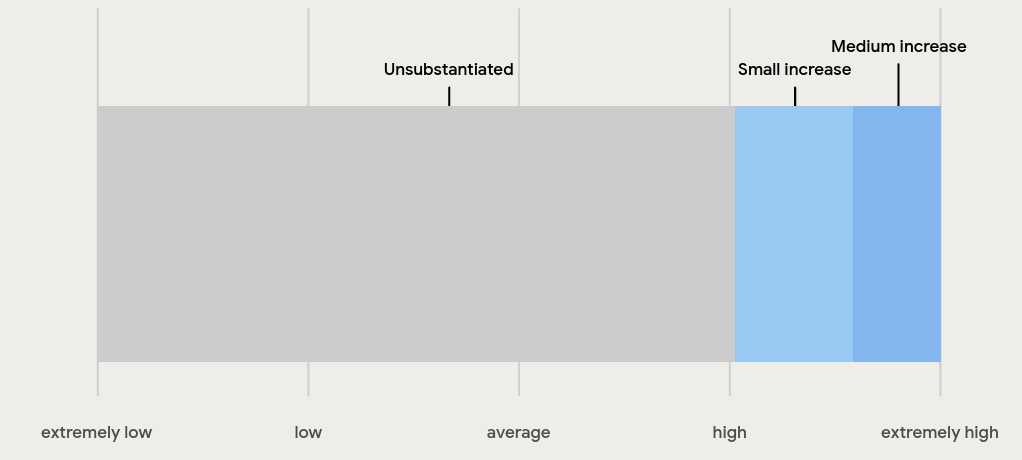
AI adoption now improves software delivery throughput, a reversal from 2024 findings. But instability rose alongside it.
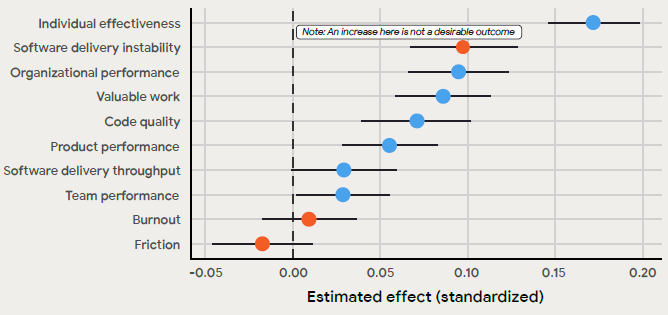
Here are the main findings:
1. Seven team profiles
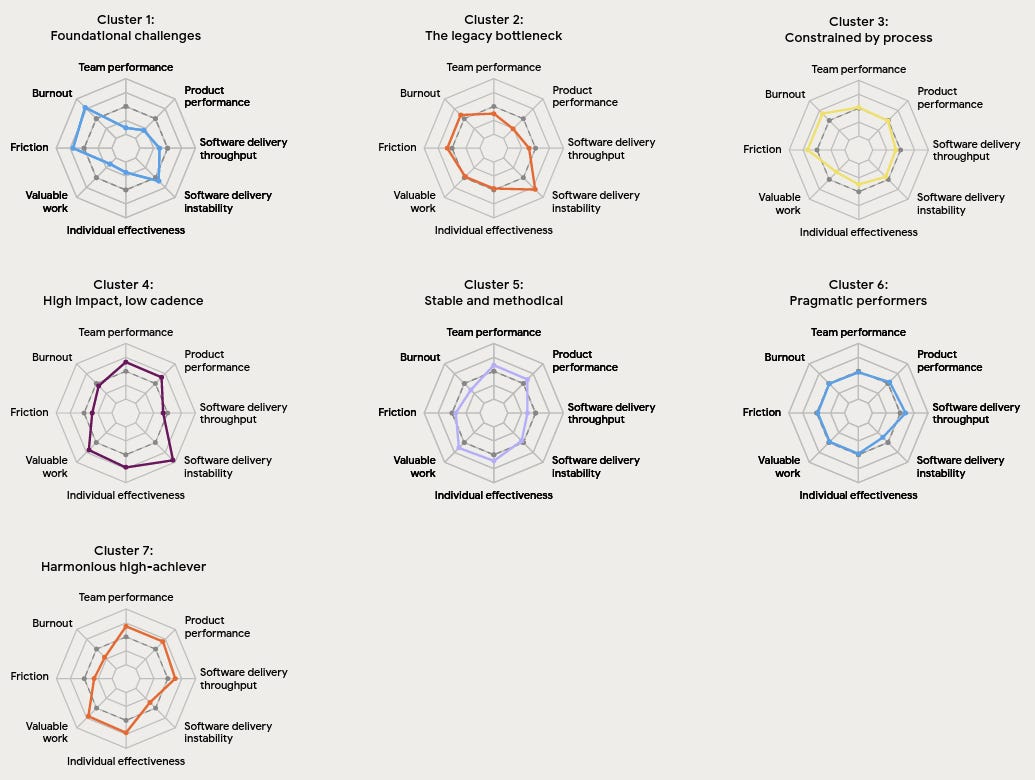
DORA calls out seven team archetypes, from those still stuck on basics to those it labels “harmonious high achievers.” Some teams move fast but can’t keep systems stable. Others ship less often and sustain quality with lower burnout.
The key isn’t tools or process checklists, it’s how the team performs under stress. Pressure exposes gaps in collaboration, ownership, and culture. DORA’s data shows AI doesn’t fix dysfunction; it amplifies what’s already there. Good teams get stronger. Fragmented ones spin faster and fall apart quicker.
That’s why adoption stats alone mean little. They don’t reflect real impact. The question isn’t how fast you fold AI into your stack. It’s whether your team’s setup and norms let it improve outcomes rather than magnify chaos.
2. The capabilities that matter
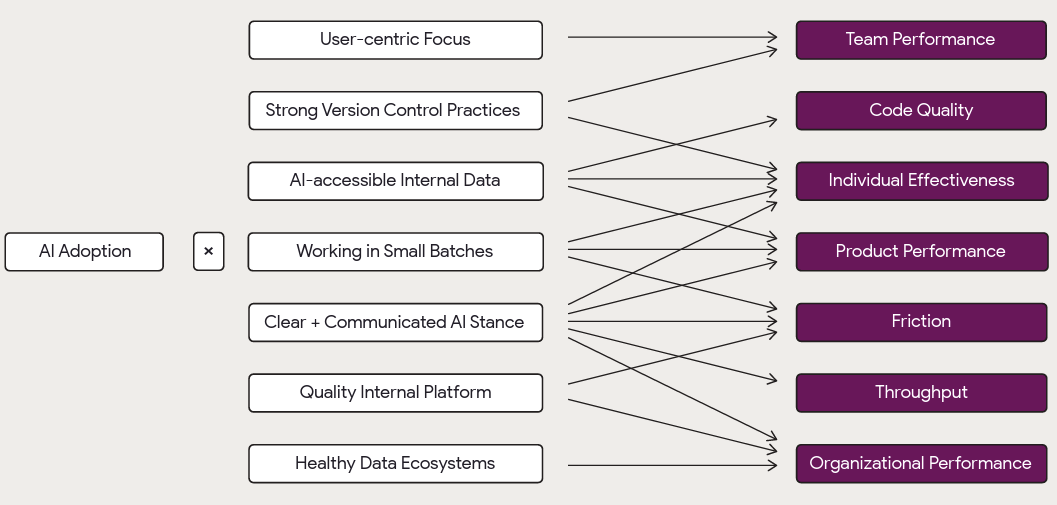
DORA’s new AI Capabilities Model identifies seven foundational practices that amplify the positive impact of AI.
Clear and communicated AI stance. Developers need to know which tools are permitted and how they’re expected to use them. Ambiguity creates two problems: people either use AI less than they could because they’re afraid of overstepping, or they overstep boundaries they are unaware of.
Healthy data ecosystems. AI models are only as good as the data they train on. When internal data is high-quality, accessible, and unified rather than siloed, the benefits of AI for organizational performance multiply.
AI-accessible internal data. Generic foundational models are helpful, but AI connected to your repositories and documentation improves effectiveness and code quality.
Strong version control practices. Frequent commits amplify individual effectiveness. Regular use of rollback features amplifies team performance.
Working in small batches. This longstanding DORA capability is even more important in the AI era. Small batches amplify product performance and reduce friction for AI-assisted teams, even if they slightly reduce perceived individual effectiveness.
User-centric focus. The most striking finding in the report. Teams without a user-centric focus experience negative performance impacts from AI adoption. The technology not only fails to help, but it also actively harms team performance.
Quality internal platforms. Platform engineering adoption hit 90%. High-quality platforms serve as the distribution layer, scaling AI benefits from individual productivity gains to organizational advantages.
3. Value Stream Mapping as a force multiplier
Value stream management emerged as critical for AI success. Teams that visualize and analyze their workflow from idea to customer can direct AI toward actual constraints.
Without that systems view, productivity gains get absorbed into downstream bottlenecks. You optimize the wrong step while the fundamental constraint chokes flow. VSM ensures local improvements translate into measurable team and product performance.
What can we learn from this?
Stop treating AI adoption as a tools problem. It’s a systems problem.
Before purchasing additional AI licenses, ask: Can we visualize our software delivery value stream on a whiteboard? Do our developers know which AI tools are permitted and why? Is our internal data accessible to AI, or locked in silos? Can our platform handle increased velocity without experiencing any issues?
The organizations winning with AI aren’t the ones with the best models. They’re the ones who redesigned their systems to carry the gains.
Your choice: Fix the system, or watch AI expose every crack you’ve been ignoring.
2. ThoughWorks Technology Radar - Volume 33 (November 2025)
ThoughtWorks has released Volume 33 of its Technology Radar, tracking shifts in AI infrastructure, agentic workflows, and emerging antipatterns.
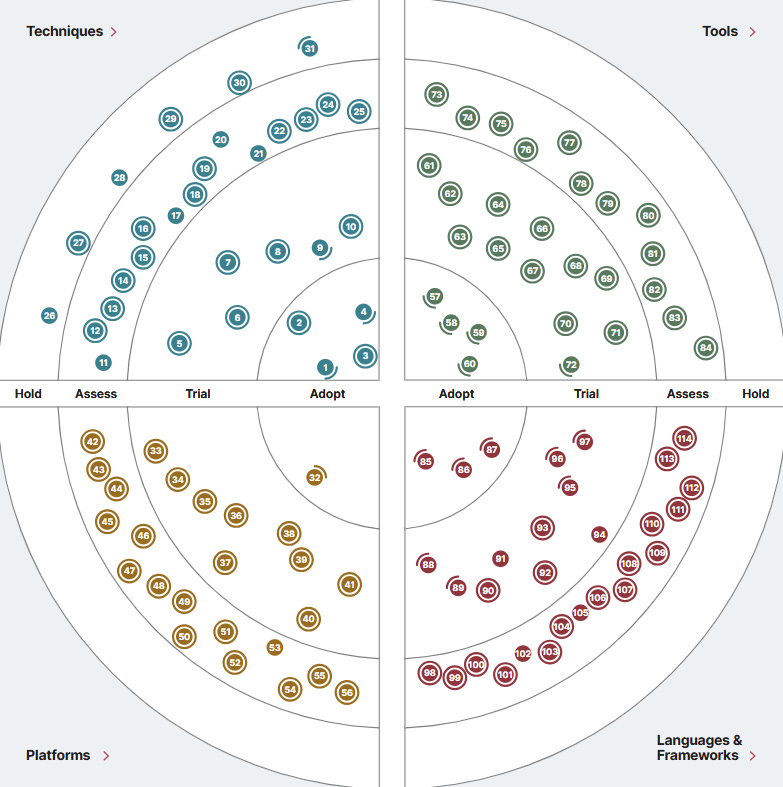
What stands out in this edition:
1. Infrastructure orchestration of AI
AI workloads are pushing teams to orchestrate large GPU fleets for training and inference. Model sizes now exceed the capacity of a single accelerator, driving distributed training and multi-GPU setups.
Platform teams are building complex pipelines and tuning for throughput and latency. Kubernetes remains the foundation, but GPU-aware scheduling is becoming essential.
Tools like Kueue, topology-aware placement, and gang scheduling help co-locate multi-GPU jobs on fast interconnects. Topology is now a first-class scheduling concern.
2. Agents elevated by MCP
The Model Context Protocol (MCP) and agents dominate this Radar. Major vendors are adding MCP support; it’s becoming the standard for powering agents and enabling semi-autonomous work.
Context engineering proves critical for optimizing behavior and resource use.
New protocols such as A2A and AG-UI reduce boilerplate in multi-agent applications.
Teams are experimenting with AGENTS.md files and anchoring coding agents to reference applications. Each Radar brings innovation; last time RAG, this time agentic workflows.
3. AI coding workflows
AI is embedded across the software value chain, from understanding legacy code to forward engineering. Teams are learning to provide better knowledge to coding agents.
AGENTS.md files and MCP servers like Context7 fetch up-to-date documentation. AI must amplify the entire team, not just individual contributors.
Curated shared instructions and custom commands ensure knowledge diffusion.
Designers use UX Pilot and AI Design Reviewer; developers prototype with v0 and Bolt.
But complacency with AI-generated code remains a concern. Human judgment is still indispensable.
4. Emerging AI anti-patterns
AI adoption surfaces both effective practices and antipatterns. Self-serve UI prototyping with GenAI can lead to AI-accelerated shadow IT.
Naive API-to-MCP conversion is spreading as MCP gains traction. Text-to-SQL solutions haven’t met expectations.
Spec-driven development risks reverting to heavy up-front specification and big-bang releases.
Teams should watch for patterns that degrade over time, slow feedback, or obscure accountability.
In more detail:
Techniques:
✅ Adopt: Continuous compliance, Curated shared instructions for software teams, Pre-commit hooks, Using GenAI to understand legacy codebases
🧪 Trial: AGENTS.md, AI for code migrations, Delta Lake liquid clustering, Self-serve UI prototyping with GenAI, Structured output from LLMs, TCR
🔍 Assess: AI-powered UI testing, Context engineering, GenAI for forward engineering, LLM as a judge, Small language models, Spec-driven development, Team of coding agents, Topology-aware scheduling
🛑 Hold: AI-accelerated shadow IT, Capacity-driven development, Complacency with AI-generated code, Naive API-to-MCP conversion, Text to SQL
Platforms:
✅ Adopt: Arm in the cloud
🧪 Trial: Apache Paimon, DataDog LLM Observability, Delta Sharing, Dovetail, Langdock, LangSmith, Model Context Protocol (MCP), n8n, OpenThread
🔍 Assess: AG-UI Protocol, A2A Protocol, Amazon S3 Vectors, Ardoq, CloudNativePG, Karmada, Oxide, Restate, SkyPilot, Uncloud
Tools:
✅ Adopt: ClickHouse, NeMo Guardrails, pnpm, Pydantic
🧪 Trial: AI Design Reviewer, Claude Code, Cleanlab, Context7, Data Contract CLI, Databricks Assistant, NVIDIA DCGM Exporter, UX Pilot, v0
🔍 Assess: Augment Code, Azure AI Document Intelligence, Docling, E2B, Kueue, MCP-Scan, Power user for dbt, Serena
Languages and frameworks:
✅ Adopt: Fastify, LangGraph, vLLM
🧪 Trial: Crossplane, DeepEval, FastMCP, LiteLLM, MLForecast, Nuxt, Phoenix, Presidio, Pydantic AI, Tauri
🔍 Assess: ADK, Browser Use, DeepSpeed, Drizzle, Java post-quantum cryptography, Langflow, Mem0, OSCAL, Vercel AI SDK
This Radar emphasizes managing AI infrastructure at scale while navigating the complexity of agentic systems. Security and governance matter as much as capability.
3. The Octoverse 2025 report
The Octoverse 2025 report was released on November 01 and covers GitHub data from September 1, 2024, to August 31, 2025.
1. TypeScript takes the crown
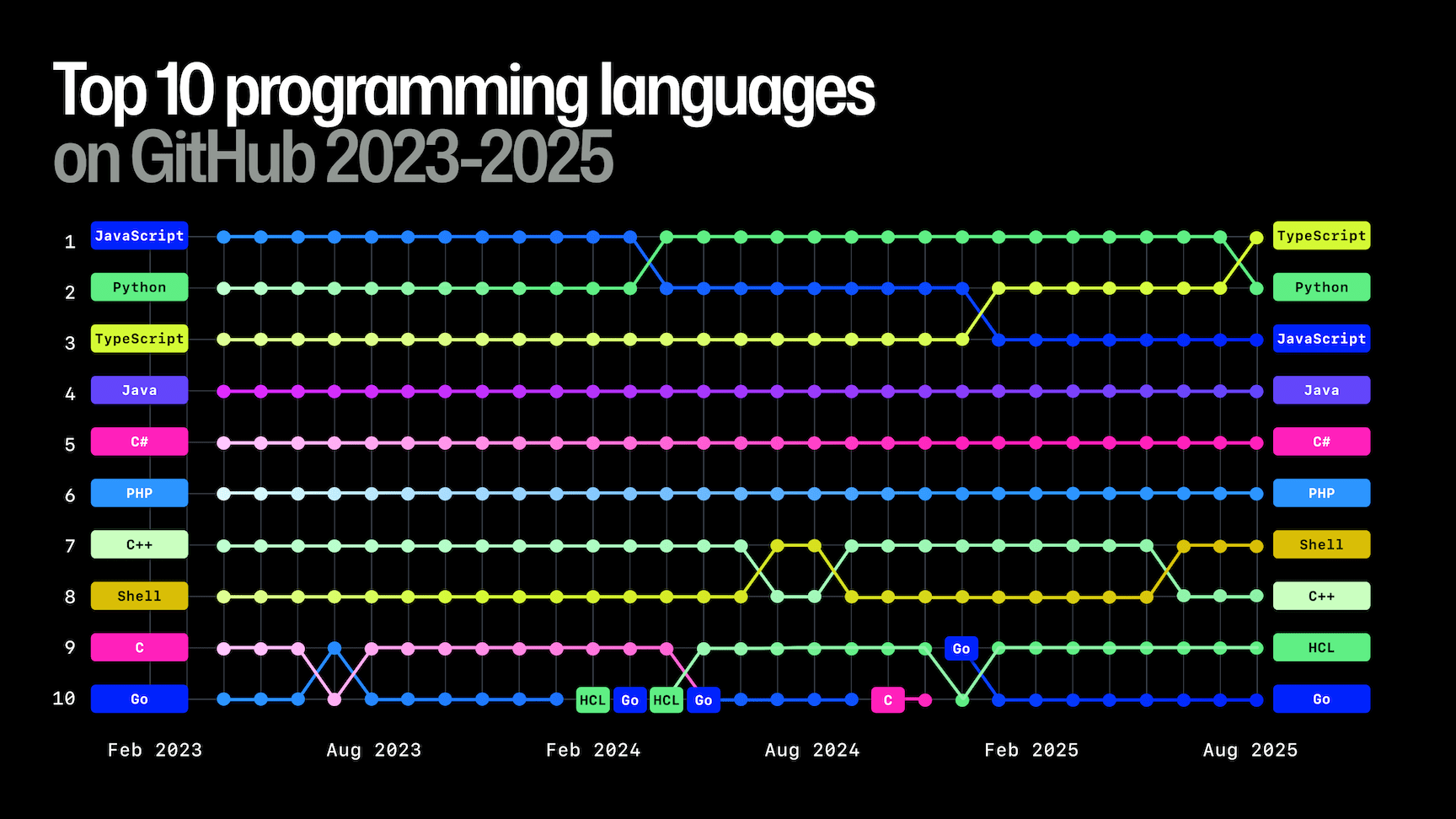
For the first time, TypeScript overtook both Python and JavaScript to become the most used language on GitHub in August 2025. This marks the most significant language shift in more than a decade.
TypeScript grew by 1 million contributors in 2025 (+66% YoY). Modern frameworks now scaffold with TypeScript by default, and AI-assisted development works better with stricter type systems.
Python remains dominant for AI and data science with 2.6 million contributors (+48% YoY). JavaScript still has a massive user base (2.15M contributors), but growth slowed as developers moved to TypeScript.
Nearly 80% of new repositories used just six languages: Python, JavaScript, TypeScript, Java, C++, and C#.
2. Developer growth hits record pace
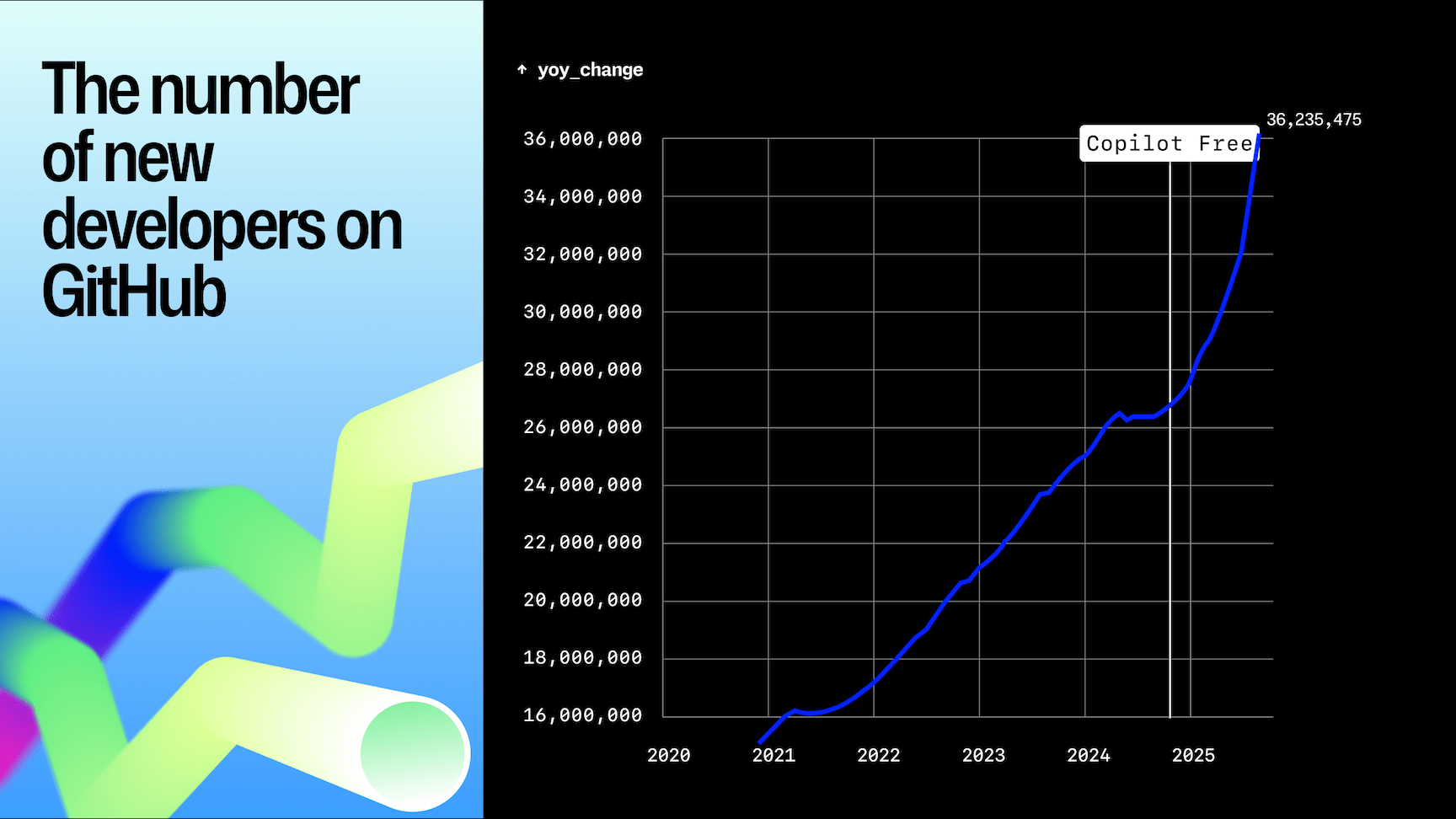
More than 36 million developers joined GitHub this year, over 1 new developer every second. The platform now has 180M+ developers.
The release of GitHub Copilot Free in late 2024 accelerated this. 80% of new developers use Copilot within their first week. AI is now part of the default developer experience.
Developers created 230 new repositories every minute, merged 43.2 million pull requests per month (+23% YoY), and pushed nearly 1 billion commits (+25% YoY).
3. India overtakes the US in open source contributions
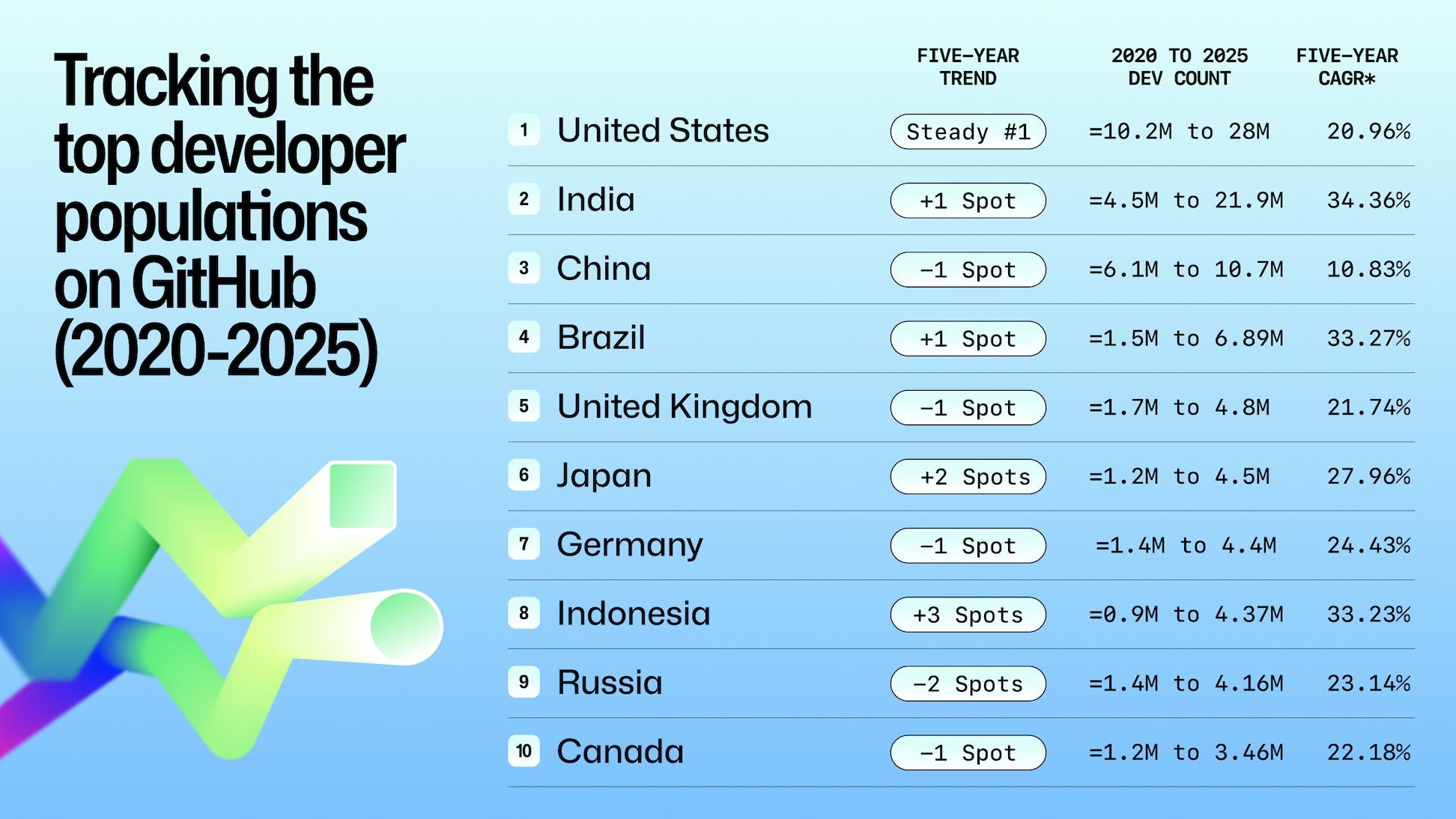
India now has the most significant public and open-source contributor base in the world. India added 5.2 million developers in 2025 (14% of all new accounts) and is on track to account for one in three new developers by 2030.
Over the past five years, India, Brazil, and Indonesia have more than quadrupled their developer numbers.
4. AI becomes standard infrastructure
More than 1.1 million public repositories now use an LLM SDK (+178% YoY). Of these, 693,867 were created in the last 12 months alone.
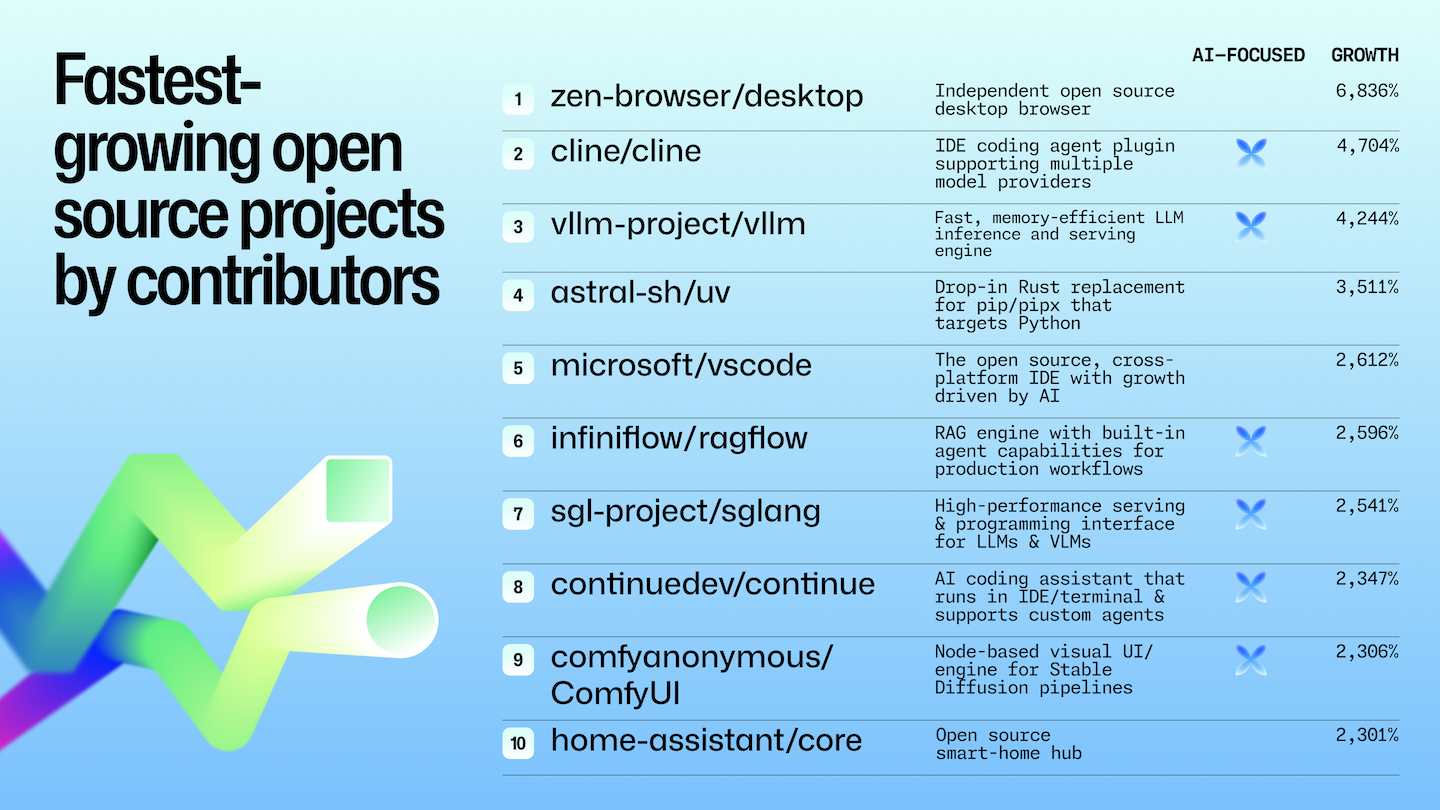
The top AI infrastructure projects driving growth:
vllm-project/vllm (model inference)
ollama/ollama (local model runner)
huggingface/transformers (model loading/fine-tuning)
continue-dev/continue (AI coding assistant)
ragflow (AI orchestration)
Coding agents created 1+ million pull requests between May and September 2025. Average fix times for critical vulnerabilities improved by 30%, dropping from 37 to 26 days.
4. 2025 State of the API Report
Postman surveyed over 5,700 developers, architects, and executives about how APIs are evolving in an AI-driven world. This year’s report reveals a gap: developers are AI-native, but most APIs aren’t yet built for AI agents. Organizations that close this gap fast will pull ahead.
Here are the key findings:
1. API-first development jumped 12%
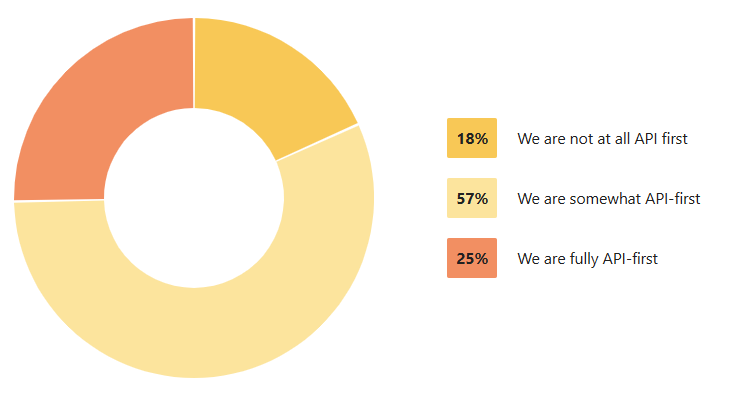
82% of organizations now use some level of API-first approach, with 25% fully API-first (up from 13% in 2024). These organizations treat APIs as products, not projects.
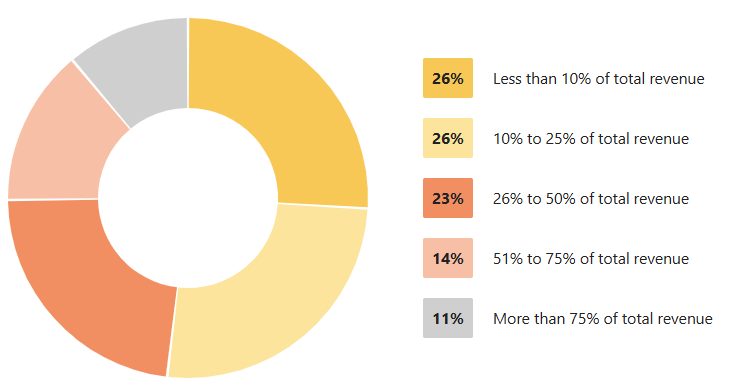
And it shows in revenue: 43% of fully API-first companies generate more than 25% of total revenue from APIs.
2. Developers use AI, but APIs aren’t ready
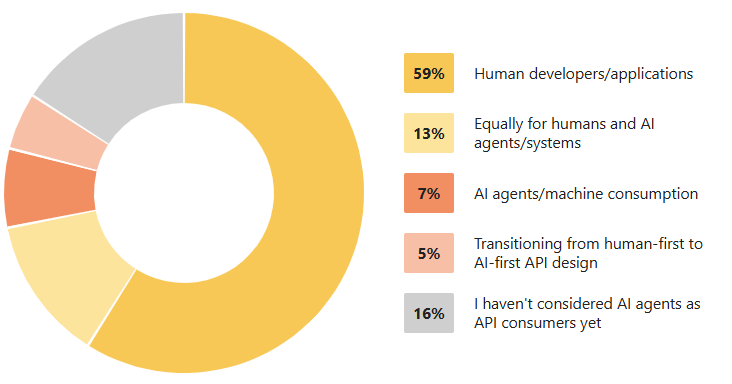
89% of developers use AI tools daily, but only 24% design APIs for AI agent consumption. 60% still designed primarily for humans only.
This mismatch creates problems: AI agents need machine-readable schemas and predictable patterns that most APIs don’t provide.
3. AI Agents are the new security threat
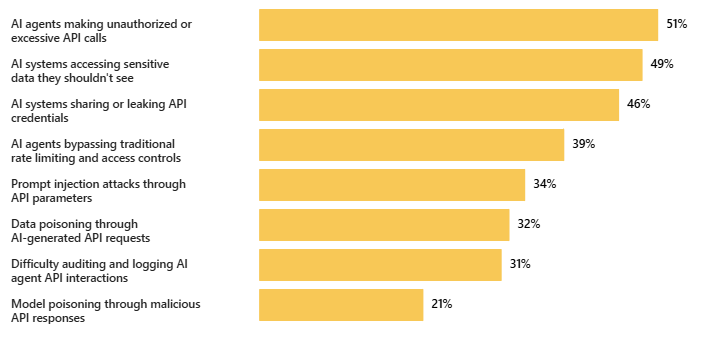
51% of developers worry about unauthorized or excessive API calls from AI agents, making it the top security concern. Traditional security models weren’t built for machine-speed exploitation or persistent automated attacks.
Organizations need dynamic rate limiting, agent identification, and enhanced monitoring.
4. APIs drive real revenue
65% of organizations generate revenue from APIs. Among those, 74% get at least 10% of total revenue from API programs, and 25% generate more than half their revenue from APIs.
Investment follows: 46% plan to spend more on APIs in the next 12 months.
5. MCP awareness is high, but adoption is low
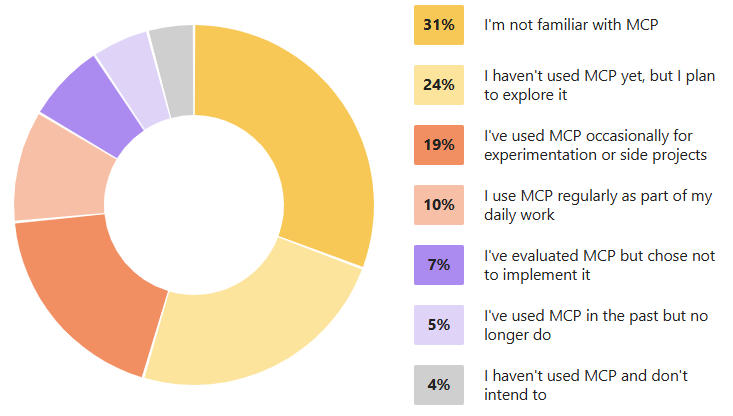
70% of developers are aware of the Model Context Protocol (MCP), but only 10% use it regularly. Another 24% plan to explore it.
MCP promises to standardize how AI agents discover and invoke APIs, but agents are already calling APIs without it.
Make your APIs agent-ready now, regardless of which protocol wins.
6. Collaboration still breaks down
93% of teams face collaboration blockers, which are:
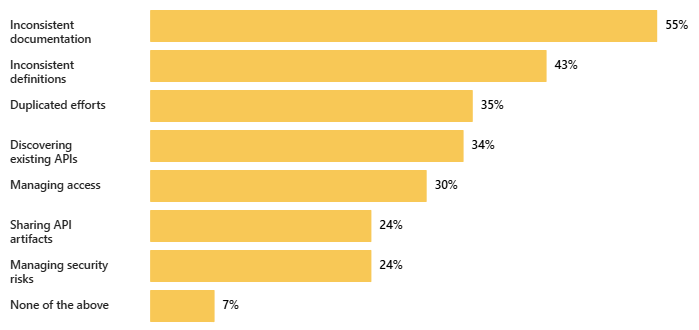
All of this slows the teams down.
And this matters more as APIs become business-critical: when documentation lives everywhere, it becomes unreliable everywhere.
5. InfoQ AI, ML, and Data Engineering Trends Report - 2025
InfoQ’s latest trends report maps where AI, ML, and data technologies are heading. The shift is clear: AI is moving from software to the physical world.
Here are the key insights:
Physical AI is the next frontier. AI is entering robotics. Google’s Gemini Robotics On-Device and NVIDIA’s complete AI-to-deployment pipeline are bringing language models into physical systems. This isn’t just software anymore.
AI Agents are evolving fast. Agents now orchestrate complex workflows, not just single tasks. Amazon Bedrock Agents, Claude Subagents, and OpenAI’s ChatGPT Agent are making production-ready systems possible without infrastructure headaches.
RAG has become a commodity. Retrieval Augmented Generation is standard in enterprise applications. It’s no longer experimental; it’s how companies access and use their knowledge bases.
Model Context Protocol (MCP) enables interoperability. Anthropic’s new standard lets different AI systems share data without custom integrations. OpenAI, Microsoft, and Google are already adopting it. This makes multi-agent systems practical.
AI is now a co-creator, not just an assistant. Development teams are using AI to build, test, and ship entire applications. The role has shifted from “help me code faster” to “build this with me.”
Multi-modal models are here. Language models now process text, images, audio, and video together. This enables richer understanding and more accurate outputs across different data types.
Human-Computer Interaction is being redesigned. AI interfaces are changing how we interact with software. The focus is shifting toward embedding information where people actually need it, rather than forcing them to adapt to rigid interfaces.

More ways I can help you
📱 You Can Build A LinkedIn Audience 🆕. The system I used to grow from 0 to 260K+ followers in under two years, plus a 49K-subscriber newsletter. You’ll transform your profile into a page that converts, write posts that get saved and shared, and turn LinkedIn into a steady source of job offers, clients, and speaking invites. Includes 6-module video course (~2 hours), LinkedIn Content OS with 50 post ideas and templates, swipe files, and a 30-page guide. Join 300+ people.
📚 The Ultimate .NET Bundle 2025 🆕. 500+ pages distilled from 30 real projects show you how to own modern C#, ASP.NET Core, patterns, and the whole .NET ecosystem. You also get 200+ interview Q&As, a C# cheat sheet, and bonus guides on middleware and best practices to improve your career and land new .NET roles. Join 1,000+ engineers.📦 Premium resume package 🆕. Built from over 300 interviews, this system enables you to quickly and efficiently craft a clear, job-ready resume. You get ATS-friendly templates (summary, project-based, and more), a cover letter, AI prompts, and bonus guides on writing resumes and prepping LinkedIn. Join 500+ people.
📄 Resume reality check. Get a CTO-level teardown of your CV and LinkedIn profile. I flag what stands out, fix what drags, and show you how hiring managers judge you in 30 seconds. Join 100+ people.
✨ Join My Patreon community and my shop. Unlock every book, template, and future drop, plus early access, behind-the-scenes notes, and priority requests. Your support enables me to continue writing in-depth articles at no cost. Join 2,000+ insiders.
🤝 1:1 Coaching. Book a focused session to crush your biggest engineering or leadership roadblock. I’ll map next steps, share battle-tested playbooks, and hold you accountable. Join 100+ coachees.
Want to advertise in Tech World With Milan? 📰
If your company is interested in reaching founders, executives, and decision-makers, you may want to consider advertising with us.
Love Tech World With Milan Newsletter? Tell your friends and get rewards.
We are now close to 50k subscribers (thank you!). Share it with your friends by using the button below to get benefits (my books and resources).
For me, it is a surprise that TypeScript won the race. I thought it was gonna be Rust.